

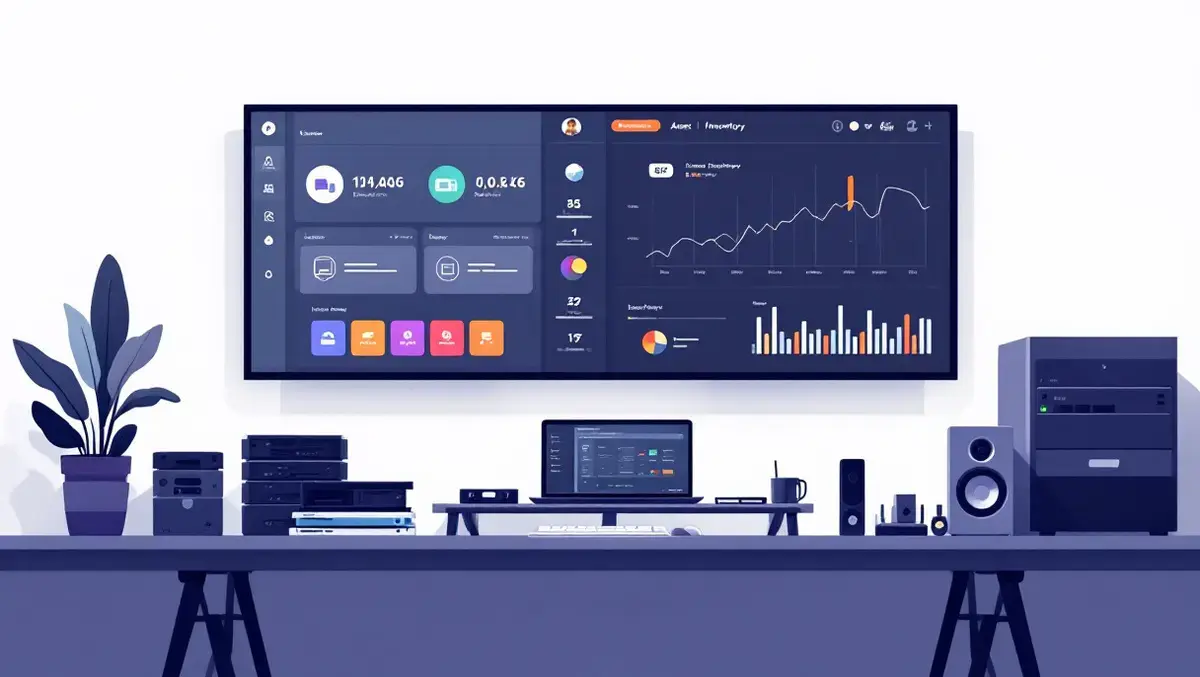
Hexnode adds native asset management to UEM platform
Thu, 19th Nov 2026 (Today)
Hexnode has added native IT asset management to its unified endpoint management platform, extending it beyond enrolled devices to broader workplace equipment records in the UK.
The new feature set brings hardware ownership, assignment and lifecycle data into the same console used for endpoint and user administration. It covers laptops, monitors, accessories, loan equipment and other workplace assets, alongside maintenance histories, financial information and physical audit trails.
The move is intended to address a gap for IT teams that manage more equipment than is visible through enrolled endpoint records alone. Organisations also need to track who holds an item, what accompanies it, when it should be returned and how it should be maintained or retired.
Under the new arrangement, physical asset records are linked to managed devices and user profiles. A laptop record, for example, can sit alongside the assignment details for its monitor and accessories, while purchase and warranty information remains available for maintenance and replacement decisions.
Hexnode has also introduced QR-based physical audits as part of the asset management module. These audits are supported by pre-scan telemetry and workflows designed to reconcile differences in recorded locations or assignments.
Inventory controls cover individually tracked equipment such as laptops and monitors, as well as quantity-based items including cables and keyboards. Connected peripherals can also be detected automatically for administrator review and registration, helping teams build a fuller record of equipment beyond devices already enrolled in management systems.
Assignment features focus on day-to-day handling and offboarding. Equipment bundles can be allocated to users, while checkout records and return deadlines can be applied to loaned items. Integration with user directories links assets to employee profiles, allowing administrators to identify what should be returned when a member of staff leaves.
Financial and lifecycle records form another part of the release. Customers can maintain purchase, vendor, warranty and contract records, with automatic depreciation and book-value calculations intended to support maintenance, replacement and retirement planning. Teams can also schedule maintenance work, document disposal and generate disposal certificates.
The asset management function is available to customers on Hexnode's Enterprise plan and above. Inventory staff can also be given access through an Asset-Only Technician role without broader permissions over endpoint policies.
Alongside the asset update, Hexnode has added dedicated shared-device policies for Android. These are intended for frontline and shift-based environments where a single device may pass between multiple workers during the day.
The Android controls include individual sign-ins and automatic logout settings, allowing administrators to define who can access a shared handset or tablet and how long a session remains active. Some applications can remain accessible without sign-in, while others can be restricted behind authentication requirements.
Hexnode has also introduced remote BIOS management for supported Windows PCs. The feature allows administrators to change boot-order settings and manage firmware passwords from the management console, rather than carrying out the work in person or through vendor-specific scripts.
The Windows update is intended to support tasks such as preparing machines for network imaging, changing passwords after staffing changes and clearing credentials before a device is resold.
Commenting on the launch, Sahad M, Chief Technology Officer at Hexnode, pointed to the broader scope of responsibility held by IT departments. "IT teams are accountable for far more than the devices they enroll. A device can be correctly configured while the organization's record of who holds it, what accompanies it and when it should be recovered remains incomplete. Bringing asset records into UEM gives teams a more complete basis for managing that responsibility," said M.