

National Hunter & NAFN stop GBP £6m Right to Buy fraud
Tue, 18th Aug 2026.webp)
National Hunter and the National Anti-Fraud Network said their joint Right to Buy anti-fraud service has stopped more than £6 million in fraudulent housing purchase applications. The service has been used by 48 councils since 2017.
The scheme targets suspicious Right to Buy and Right to Acquire applications, which allow eligible tenants to buy council or housing association homes at a discount. It was created after investigators saw a rise in questionable applications but had no lawful route to obtain relevant financial intelligence.
Under the arrangement, local authorities and housing associations can refer suspect applications to the National Anti-Fraud Network, or NAFN, through a secure gateway. After reviewing a case, NAFN shares relevant intelligence with National Hunter, which carries out a retrospective search for signs of concern and, where appropriate, passes intelligence to mortgage providers. NAFN then receives outcome information to support its own enquiries.
This process gives councils a direct route to specialist mortgage teams and strengthens due diligence around applications to buy publicly owned homes. Around 100 enquiries are processed each year.
While the headline figure for prevented fraud was put at more than £6 million, the organisations also said the partnership has stopped nearly £8 million in fraudulent Right to Buy and Right to Acquire applications to date. The service has been in place for several years and has expanded beyond housing purchase fraud into other areas, including Covid-19 business grant fraud, and later shared ownership fraud and subletting abuse.
Housing risk
The announcement comes amid renewed attention on protecting public housing stock, as changes to the Government's Right to Buy scheme sharpen scrutiny of who can access discounted home purchase routes. Fraud can divert homes and public money away from intended beneficiaries while exposing lenders and councils to financial and legal risk.
Right to Buy fraud can take several forms, including applications supported by misleading income details, hidden third-party funding, false occupancy claims, or arrangements in which a tenant acts on behalf of someone else. Investigators have also flagged potential money laundering concerns linked to some applications, particularly where the source of funds is unclear or ownership arrangements appear inconsistent with the scheme's rules.
The service was developed with input from Paul Allen, Senior Investigation Officer at the London Borough of Haringey Council, who had already established a local agreement with National Hunter under a memorandum of understanding. Following discussions with banks, Allen approached NAFN, and the parties worked together to set up a secure and legally compliant process for referrals and intelligence sharing.
The structure was designed to address a long-standing problem for councils and housing associations, which often identified suspicious patterns but had limited access to information held in the financial sector. By creating a formal route for intelligence exchange, the partnership aimed to close a gap that investigators said had left local authorities exposed.
Broader reach
The work has since widened beyond its original brief. In 2020, the partnership expanded to help prevent Covid-19 business grant fraud, and in 2025 it was extended again to support investigations into shared ownership fraud and subletting abuse. That broader use points to increasing overlap between local government fraud work and financial sector data.
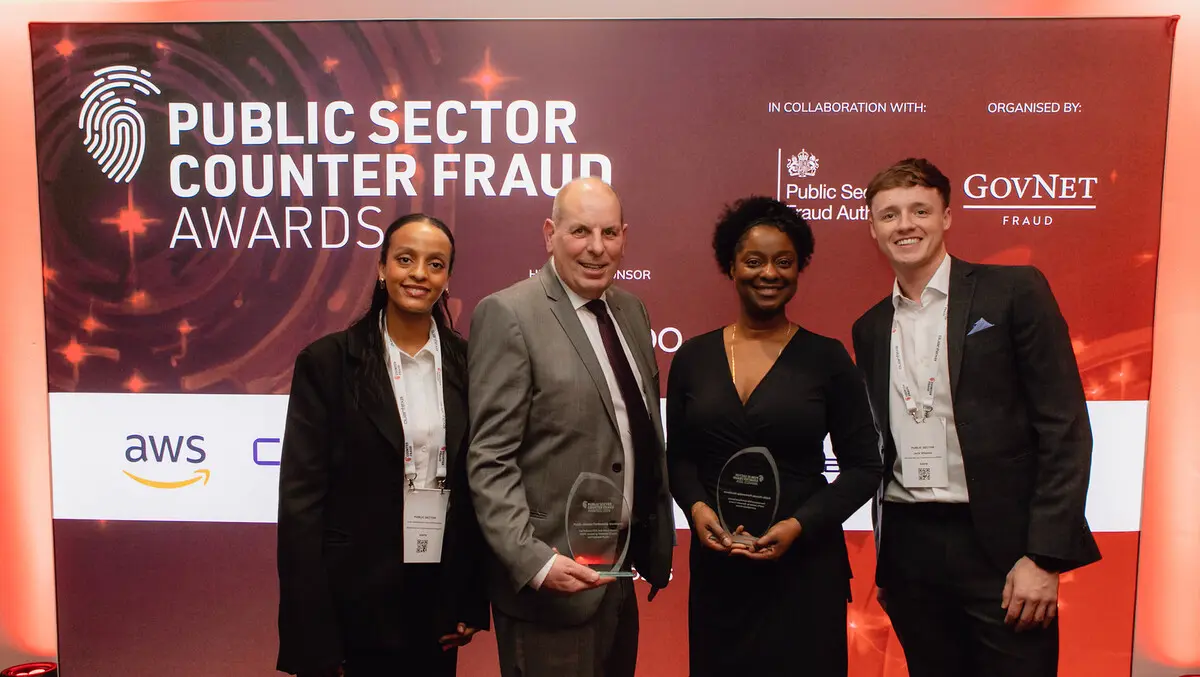
Earlier this year, the partnership received the Public Sector Counter Fraud Award 2026 for Public-Private Partnership Excellence. The recognition reflects a wider push by public bodies to use cross-sector data sharing to detect fraud without breaching legal safeguards around personal and financial information.
For councils, the appeal of the model lies partly in its scale. NAFN describes itself as the UK's largest public sector fraud prevention service, while National Hunter works on application fraud prevention across financial services. Bringing the two together gives housing investigators access to intelligence that would usually sit outside their reach.
Mark Astley, Director of NAFN Data and Intelligence Services, said: "Collaboration sits at the heart of everything we do. By working together to responsibly share data and intelligence, the National Anti-Fraud Network and National Hunter play a vital role in protecting both the public purse and the public interest. Through a secure, compliant framework that brings together finance and the wider public sector, this partnership has enabled organisations to prevent fraud, save millions of pounds and ensure that much-needed social housing remains available for those who genuinely need it.
"The recent announcement on changes to the Right to Buy scheme underlines how critical this work is. It reinforces the importance of this partnership in supporting effective Right to Buy counter-fraud activity and demonstrates the tangible value it delivers to communities across the country."
Allen described the effect of the service in direct terms. "It is and will always be a game changer. It has not only helped combat money laundering in the Right to Buy sphere but has opened up links to combat other types of fraud," he said.
Dave Rossi, Managing Director of National Hunter, said: "Responsibly sharing intelligence across sectors creates better outcomes for everyone. By connecting local authorities with the financial services industry, we're helping to stop criminals using legitimate lenders to facilitate fraud against the public purse, while giving our members valuable intelligence that strengthens their own investigations.
"This partnership is proof that breaking down barriers to collaboration doesn't just prevent losses; it helps build a stronger, more resilient approach to tackling fraud wherever it occurs."