AI Data stories
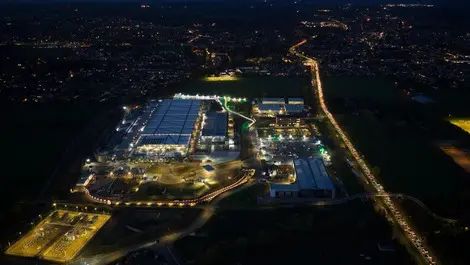
The Chapelhall campus expansion is now part of Scotland's row over AI data centres, with a parliament debate on a possible moratorium looming.
Older facilities may struggle as hotter summers, floods and grid strain threaten UK data centre uptime for essential services.
The ranking reflects growing buyer demand for integrated EHS systems that link worker safety, chemicals oversight and operational risk in one platform.
The seven-year pact gives Akamai a major anchor customer but also forces billions in upfront spending to secure AI cloud capacity.
Direct control of production in Malaysia is meant to help Micas cut delivery risk and bring its AI networking optics into volume faster.
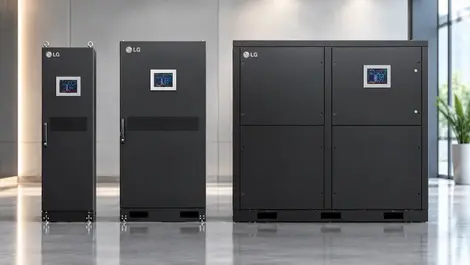
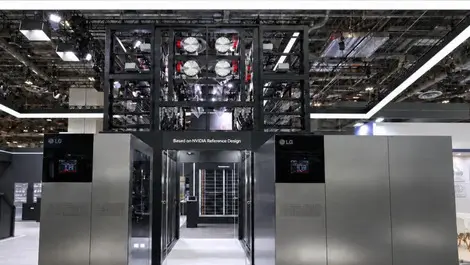
As AI racks draw more power, data centre operators are shifting to liquid cooling, and LG's latest unit now meets NVIDIA's reference design requirements.
AI-fuelled building work is offsetting weakness in housing and other projects, keeping North American equipment revenues rising despite softer demand.
Australia has launched a taskforce after an AI agent accessed non-public Medicare files and other government data, Albanese said.
AI training is exposing network bottlenecks that can idle GPUs, raise costs and force operators to redesign data centres around lossless fabrics.
Data centre operators can now mix air and liquid cooling in one unit as AI workloads push rack densities higher across facilities.
As AI tools gain access to sensitive systems, Proofpoint says separate data and oversight products no longer catch the full risk.
Smaller businesses and MSPs are being offered controls to stop staff sending sensitive data into generative AI tools, amid growing governance gaps.
The milestone underlines rising demand for independent backup as firms seek reliable records for AI-driven systems and compliance.
Technology leaders are prioritising vendor-neutral AI systems as 83% of organisations run or plan AI workloads, a survey found.
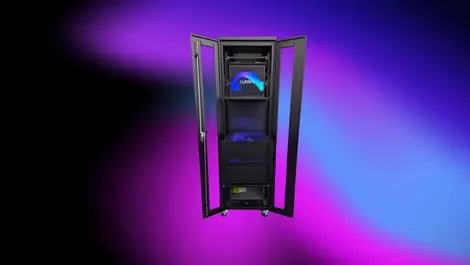
Longer prompts and agentic workflows are pushing AI data centres towards a separate prefill tier, Lumai says, to curb power use.
Rising AI infrastructure spending is driving a UK data centre build-out that could lift lighting demand to GBP £130 million by 2030.
Rising AI server densities are forcing Asia-Pacific data centre operators to rethink cooling as water use and power demand tighten.
Operators facing soaring heat and power demands from AI servers may gain faster, more integrated infrastructure from LG's new offering.
Demand for thermal management in dense AI sites is lifting the Korean group's cooling business, after its 2.6-megawatt unit cleared NVIDIA qualification.
The project aims to cut cooling-related power and water use as Singapore races to expand AI data centre capacity without overloading infrastructure.