Digital Exclusion stories
Millions of unused phones and laptops could be redirected to people without kit as the telecoms group backs local reuse schemes until 2030.
More than 550,000 people in hardship have already received free mobile data as the renewed scheme seeks to connect 500,000 low-income households.
Trust at the point of payment is the key hurdle, with 50.1% of European consumers unwilling to share card details with AI agents.
Millions of taxpayers should see faster, more consistent support as HMRC moves contact services onto a single cloud platform with AI tools.
Most firms have expanded customer-facing AI even as a survey found 77% fear their strategies could harm vulnerable customers.
Widespread access failures are driving disabled shoppers away, with 38% abandoning purchases and most avoiding brands after bad experiences.
Businesses face tighter reporting and new rules as ministers move to overhaul cyber security, AI oversight and digital identity regulation.
Thousands of households could lose familiar phone service if they ignore BT’s notices before the UK’s analogue landline switch-off in 2027.
More charities could gain digital expertise as up to 30 women are trained for trustee roles under a new board-matching pilot.
Billions already within coverage risk missing AI-era services as entry-level smartphones become less affordable in low-income markets.
More than half of consumers are vulnerable to some degree, raising fears that AI-led checkout could leave many unable to complete payments.
More than 1,000 discarded devices were diverted from landfill as the company expanded donations to community groups and digital inclusion projects.
Rising memory chip costs are forcing handset makers to lift prices, risking wider digital exclusion in emerging markets and pushing budget phones out of reach.
More than 642,000 young people in eight countries will gain AI and financial literacy lessons as the partnership enters its second year.
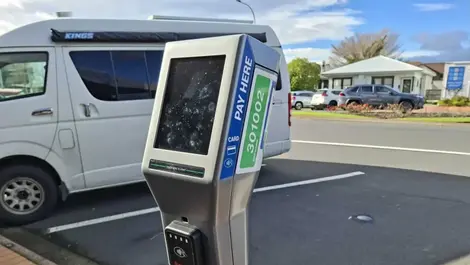
Shops in Rotorua's CBD say sales have fallen sharply since new parking rules began, with some owners now planning to move out.
Low-income Colombians may still shun digital payments because fees, risks and confusing terms undermine confidence in the systems they use.
Gaps in access and affordability are leaving one in 10 New Zealand households offline, prompting calls for stronger public investment and resilience.
Survivors of domestic abuse could get safer access to communication as donated handsets are refurbished and recycled across Australia.
Charities could get training better suited to limited budgets and low digital confidence as AI reshapes service delivery.
Schools, households and agencies face uneven access and safety online as TUANZ urges a national rethink over AI, curriculum and mobile coverage.