Greenhouse gas emissions stories
Rail freight between New Zealand's islands faces fresh strain after the Government scrapped the Interisland Project IREX, alarming exporters and ports.
Record fossil fuel output is pushing the planet closer to 1.5°C, with 2023 emissions projected to hit 36.8 billion tonnes.
A UN University report warns that water, food, heat and insurance systems are nearing tipping points that could trigger collapse.
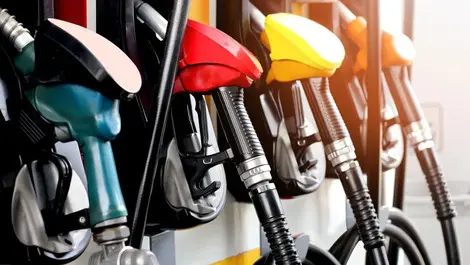
Without more public transport and safer active travel, higher fuel prices risk pricing more Kiwis out of everyday trips.
Homes could cost slightly more to build, but lower energy bills and emissions are expected as Australia lifts its NatHERS bar to seven stars.
Transport critics say National's road-heavy plan revives costly schemes, with old estimates leaving a multibillion-pound funding gap.
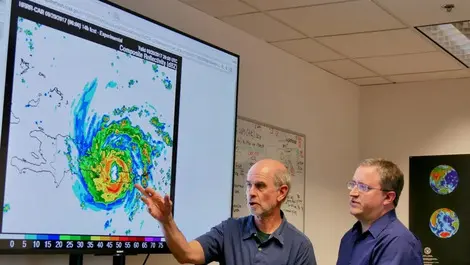
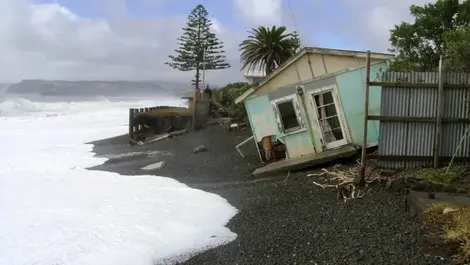
Additional funding will boost flood forecasting and climate adaptation work after recent cyclones exposed gaps in New Zealand's resilience.
Civil contractors warn the next emissions plan could slow vital infrastructure delivery unless it backs proven low-carbon options and recycling.
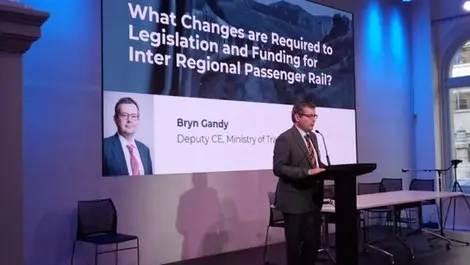
Passenger rail could cut emissions and widen access, but chronic underinvestment and patchy national coordination still hold New Zealand back.
The new paths should help Wellington residents travel more easily while diverting waste concrete and asphalt from landfill.
Two of the Government’s four ETS reform options would miss New Zealand’s climate goals, leaving businesses to face continued uncertainty.
The move could cut the climate impact of its 300 live projects, with one office tower already delivering a 5,000 ton emissions saving.
Critics say the reform could lift housing and infrastructure costs by stripping councils of planning powers and deepening court battles.
Climate scientists say Auckland’s floods were intensified by atmospheric rivers, while economists warn neglected infrastructure is leaving homes exposed.
A new loss-and-damage fund may help poorer countries cope with climate disasters, but critics say COP27 delivered little on emissions cuts.
Digital tools could deliver 42 per cent of New Zealand’s 2030 emissions cuts, yet they were omitted from the government plan.
A parliamentary report says spending over GBP £2 billion a year on the environment is poorly linked to outcomes and lacks transparency.
New rules are set to speed up consents and cut costs for infrastructure, as the Government scraps the 30-year-old Resource Management Act.
The tax break leaves motorists with little relief while costing New Zealand more than GBP £500 million and delaying cleaner transport investment.
Experts say the government’s adaptation plan may leave councils and vulnerable communities exposed to worsening floods, heat and sea-level rise.