High availability stories
Faster file transfers and stronger resilience are intended to cut delays for firms running shared workloads across sites, cloud and hybrid systems.
Businesses with remote sites can cut hardware, power and support needs by using a two-node setup instead of a traditional three-node design.
Rising traffic and more complex sites are pushing businesses to look beyond single-server hosting, 20i says, to reduce bottlenecks and outages.
Customers can now lower disaster-recovery costs while keeping backup copies outside the source region to meet outage and residency needs.
Most disruptions clear in minutes, but a small number of long outages can still leave sites unreachable for hours and mask real downtime.
AI and HPC users could cut storage costs as WD's new designs shift colder data to hard drives while keeping active workloads on NVMe.
Cloud providers facing the end of VMware's CSP programme in 2027 can now tap migration tools and new pricing to protect margins.
Banks and retailers are adopting the platform as AI projects mature, with data sovereignty now shaping budgets, risk and infrastructure choices.
The shift cut monthly hosting costs by about 40% and let the coffee supplier modernise ageing systems without disrupting deliveries.
The platform aims to cut idle cloud spend for Kubernetes users, with DevZero saying it can shift workloads live as demand changes without restarts.
The fresh cash lifts Supabase's valuation to USD $10.5 billion as AI-driven demand for its database platform continues to surge.
Blind spots in monitoring are pushing outage bills higher, with Splunk estimating average downtime now costs USD $15,000 a minute.
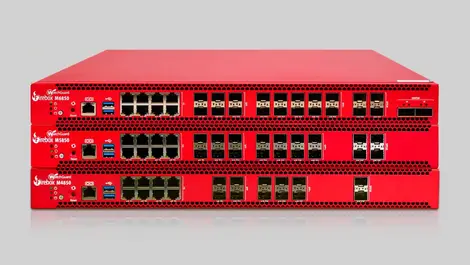
Higher network throughput and uptime for MSPs and enterprises is the aim, as WatchGuard adds 25G and 100G Firebox models.
Rising chip heat and rack density are pushing data centre operators towards liquid cooling to curb power use and support larger AI deployments.
Cluster operators gain automated workload balancing and broader networking controls in the latest release, reducing manual intervention during maintenance.
Security teams gain less risky certificate changes as Buoyant's Linkerd 2.20 automates trust anchor rotation and cuts control-plane memory use.
The recognition underlines how Flipkart is hardening its systems ahead of festive sales by testing failures across Kubernetes and virtual machines.
The update should ease compliance concerns for regulated firms by keeping incident data inside customer environments, including air-gapped sites.
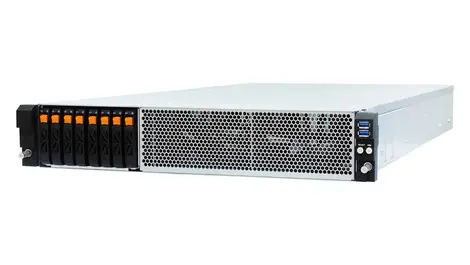
The system is aimed at enterprises seeking S3-compatible storage that cuts flash use, lowers cloud fees and hardens data against ransomware.
Better visibility over outages and latency should help PointsBet protect live-betting customers as it unifies telemetry across its platform.