Simulation stories
The startup says its simulation tool could cut costly robot training and reduce the risk of damaging machines before deployment in factories and warehouses.
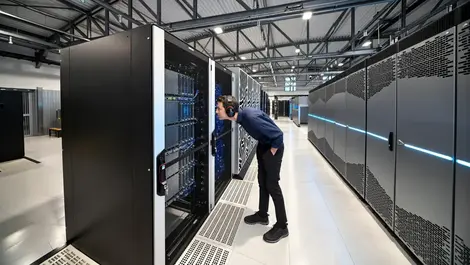
The deployment could cut energy use for event-based AI workloads by 18X as Europe's first exascale supercomputer site tests sparse-native hardware.
The new machine gives businesses enough memory to run several AI models at once on dedicated hardware, with pricing from €3,599 a month.
The move could speed up vehicle software integration by more than 10 times, cutting dependence on hardware benches and test rigs.
Oracle is aiming to help manufacturers cut tariff exposure and freight costs with new agentic supply chain apps that simulate scarce resources and margins.
The pre-seed cash will help RhymeQ widen access to quantum programming, aiming to let ordinary developers code with basic Python skills.
Engineers at manufacturers can now automate tedious simulation steps as Neural Concept's MCP Bridge links AI agents to CATIA, NX and Abaqus.
The recognition underlines growing demand for tools that help lenders, banks and insurers test and change decisions faster without losing control.
Manufacturers may gain faster engineering and maintenance work as Rockwell links AI agents, workflows and industrial software in one platform.
Businesses are being pushed to rework cloud estates faster, as InfrOS says AI-optimised infrastructure spending will climb 96% to USD $42 billion in 2026.
As employers roll out AI across the workplace, React says managers still need live practice to handle difficult conversations with judgement and empathy.
Regional AI infrastructure is set to surge, with cloud providers on course to deploy 1 gigawatt of capacity by the end of 2027.
The investment follows years of production use and has already helped 42dot halve storage needs while keeping autonomous driving work within existing data centre capacity.
Early pilots suggest buildings could cut needless alerts by up to 90% and trim energy use by as much as 10% with the new system.
Finance teams can now spot liquidity pressure earlier, as the new suite pulls together data from multiple systems and forecasts cash across time horizons.
Enterprises facing tougher AI security and operational demands can now choose four new systems built for inference, analytics and simulation.
The update aims to cut manual verification work for teams building software-defined products, with new testing and inspection tools added.
Confidence in AI tools is lagging behind adoption plans, with only 24% of engineering decision-makers trusting output enough for documentation tasks.
The recognition underlines how a virtual model is helping Denmark's capital region avoid sterilised instrument delays that could disrupt 1,000 surgeries a day.
The funding gives the San Francisco start-up room to expand its behaviour simulation tool, which claims to cut user research time and improve product decisions.