

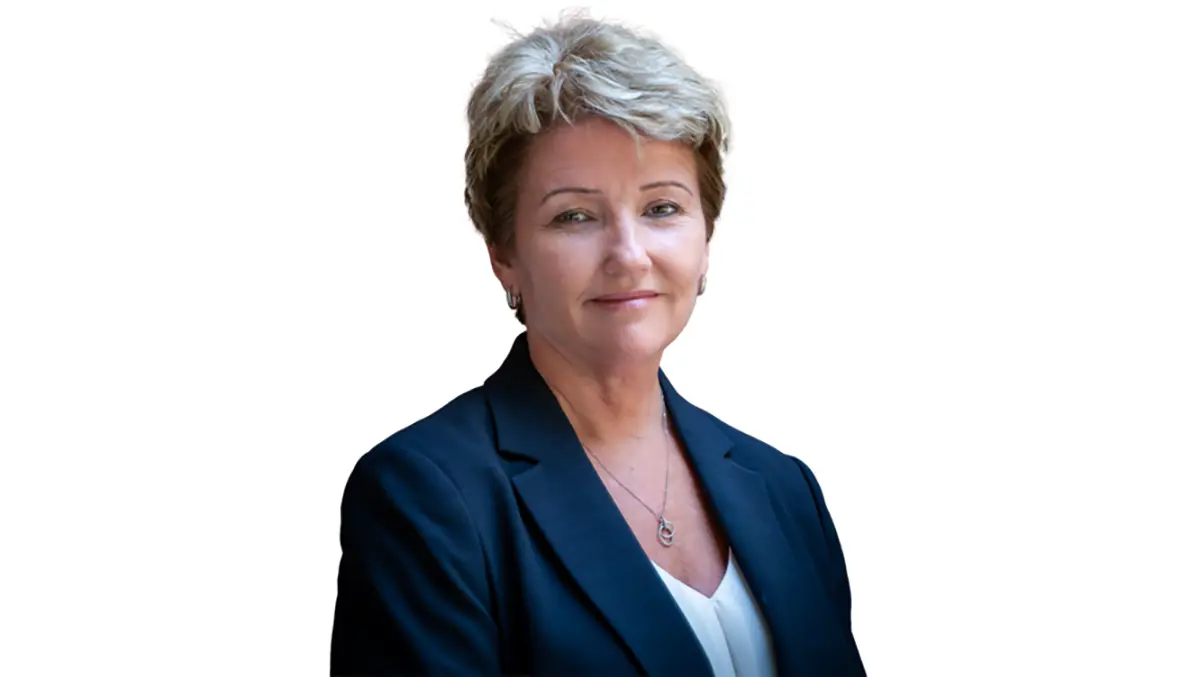
Balancing tech, humanity & leadership in insurance
Fri, 6th Mar 2026
Choosing insurance was never an accident for me. With a background in statistics, an actuarial path seemed the natural starting point. Yet it quickly became clear that while I valued the analytical discipline, I was most energised by people, ideas and the momentum of building something from the ground up. Sales, business development and the creative process of turning opportunity into reality drew me in far more than spreadsheets ever could.
Completing my MBA marked a significant shift. It broadened my perspective and gave me the confidence to step into roles that focused not just on analysis, but on growth, leadership and innovation. Since then, I have worked across the market on new products and ventures, consistently gravitating toward opportunities where progress and transformation were needed. What has kept me committed to insurance throughout is its purpose. At its core, this is a profession about stepping forward when people face uncertainty or loss. That responsibility matters.
Earlier in my career, particularly entering the sector in the 1990s, I focused heavily on competence and delivery. While expertise is essential, I learned over time that visibility is equally important. Being present, building a profile and advocating for yourself are not optional extras. They are part of leadership. I would have benefited from understanding sooner that credibility and confidence must grow side by side.
Working in claims has sharpened my belief that our greatest opportunity lies in improvement. Behind every policy is a person or business navigating disruption. That reality keeps me engaged. There is enormous potential to create better, more human outcomes, and to design processes that feel supportive rather than transactional. Innovation in this space is not just about efficiency. It is about dignity, clarity and reassurance at difficult moments.
Over the next five years, I hope to see our profession strike a more deliberate balance between technological advancement and human connection. Data and automation can streamline processes and remove friction, but they must never overshadow empathy. When a family has lost a home or a business faces interruption, what they need most is understanding and trust. Technology should enable better conversations, not replace them.
For women considering a career in insurance, my advice is to step forward confidently and build your network from the outset. This is fundamentally a people profession. The relationships formed early in your career will evolve and endure, becoming partnerships, collaborations and friendships that shape your path in ways you cannot yet predict. Your network is not simply a support system. It is one of your most valuable long-term assets.