

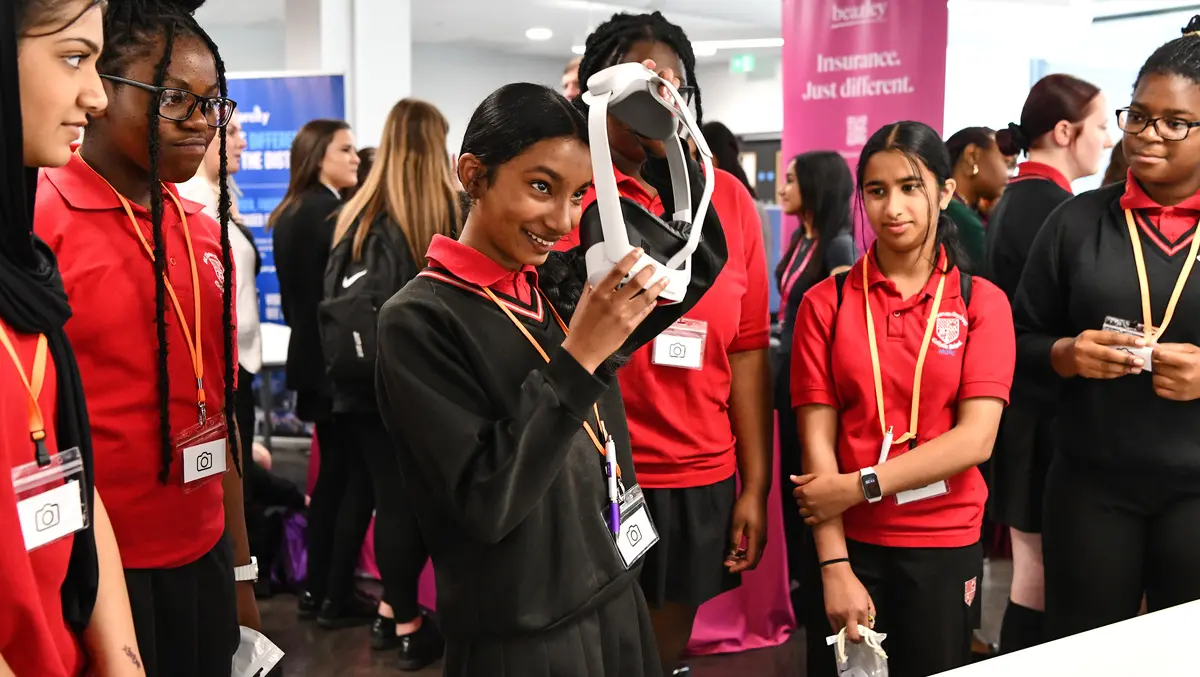
Girl Tech expands across England as 2,000 join scheme
Fri, 29th May 2026 (Today)
Ahead Partnership said its Girl Tech programme has helped more than 2,000 young women explore digital careers, expanding from Leeds into several regions across England.
Launched nine years ago, the scheme now operates in London, the North West, the North East and the West Midlands, alongside its original base in Leeds. According to Ahead Partnership, 90% of last year's participants left interested in pursuing tech and digital roles.
Girl Tech aims to reach young women before they make key GCSE subject choices. It focuses on direct employer engagement, practical activities and access to role models working in the sector.
Support for the initiative has widened as it has grown. Netcompany is the national sponsor, while other employers and institutions involved include Optum, SCC, Sulzer, Tokamak Energy, Asda, Currys, Grainger Hub and the University of Westminster.
The expansion comes as policymakers and employers sharpen their focus on the skills needed for wider AI adoption and digital growth. Research cited by the organisers points to persistent barriers, including weak digital literacy, uneven access to training and unequal participation in technology careers.
Skills England has estimated that AI adoption could add up to GBP £400 billion to the UK economy by 2030, while warning that workforce preparedness is lagging. That has intensified debate over how to widen routes into digital work and improve representation in a sector where women remain under-represented.
The organisers argue that earlier intervention in education is critical. By targeting pupils before they make important academic choices, the programme is designed to shape how young women view the technology sector and whether they see a place for themselves in it.
Early intervention
Ahead Partnership, which describes itself as a social value specialist, said demand for the scheme has grown among both schools and employers. Businesses are seeking practical ways to address gender imbalance in technology roles before the recruitment stage, it said.
That employer-led approach is now central to the programme's design. Companies provide volunteers, role models and exposure to real workplace experiences, giving students a view of jobs and career paths that might otherwise feel remote.
Supporters of the model say that matters because many barriers emerge well before people enter the labour market. Subject choices, confidence and a lack of visible representation can all narrow options at a young age.
Suzie Bell, Programme Manager, Ahead Partnership, said: "As one of the fastest growing and most opportune sectors in the UK, we need to ensure young women are equipped with the right tools and knowledge to explore careers in tech at the right time in their academic journey. Against unwavering gender disparity across the field and growing demand for new skills and talent, we give women access to the right role models, information and resources ahead of making big decisions about their career pathways. We're demystifying the sector in a way that ensures young women have equal access to the opportunities within it, no matter their background. Nine years since our first Girl Tech, the appetite among our partners and business volunteers to help shape a more inclusive future for the sector continues to grow, marking our biggest year of activity to date. At a critical point for the future of tech, this enthusiasm for change is encouraging; we're committed to harnessing this drive for the benefit of the sector, the economy and all young people."
Employer backing
Corporate support has helped the programme grow from a local initiative into a broader national model. For employers, the appeal lies in building awareness of digital careers among pupils who might not otherwise consider the sector.
Netcompany, one of the businesses backing the scheme, said its support reflects a long-term view of workforce development. The focus is less on immediate hiring and more on influencing who enters the pipeline in future years.
Richard Davies, UK Country Managing Partner, Netcompany, said: "Netcompany's multi-year commitment to Girl Tech reflects our dedication to equalising opportunities within tech and digital sectors - a programme which has been consistently ahead of the curve and generates real results for young people. While Girl Tech has reached an important milestone, its true impact will be measured in the years ahead, as more young women step into careers in tech."
The issue has drawn national attention as ministers and industry groups examine how to increase women's participation in technology and innovation. Organisers of programmes such as Girl Tech argue that local engagement, employer involvement and earlier exposure can help tackle skills shortages while improving diversity.
For now, the programme's headline measure is straightforward: more than 2,000 young women have taken part, and Ahead Partnership said most recent participants left with an interest in a digital career.