

%201.webp)
Ternary Therapeutics has raised GBP £3.6 million in seed funding as it develops an artificial intelligence-led approach to designing "molecular glues", a class of small-molecule drugs used in targeted protein degradation.
The London-based biotech raised the round led by daphni, with participation from Pace Ventures, the i&i Biotech Fund and the UK Innovation & Science Seed Fund, managed by Future Planet Capital.
Ternary is building a platform that combines machine learning with physics-based molecular modelling and rapid laboratory testing. Its goal is to design molecular glues deliberately, rather than discovering them by chance.
Molecular glues induce interactions between proteins, redirecting a cell's own protein-disposal machinery towards disease-related proteins. The approach has produced several large biotechnology companies in recent years, but discovery has often relied on screening and serendipity.
Ternary's platform uses AI models to predict protein behaviour and propose molecules that could bring specific proteins together. Scientists then test those molecules in the lab, feeding results back into the computational system for further design rounds.
Drug targets
Many disease-driving proteins still lack obvious binding sites for conventional small molecules, limiting the reach of existing medicines and discovery programmes. Molecular glues offer one way around this constraint because they can create new protein-to-protein interactions rather than relying on a pre-existing pocket.
Ternary says its technology can design glues without requiring a druggable site on either target protein. It also uses molecular dynamics simulations as part of its modelling workflow.
Founded in November 2024, Ternary says its team includes drug discovery researchers with experience in targeted protein degradation and AI-driven drug design.
Early pipeline
Ternary reports a pipeline of preclinical programmes focused on inflammatory and neuroinflammatory diseases. It also has early research collaborations with pharmaceutical and specialist biotechnology partners, though it did not name them.
The funding will support expansion of both the computational and laboratory teams and advance lead programmes towards preclinical development.
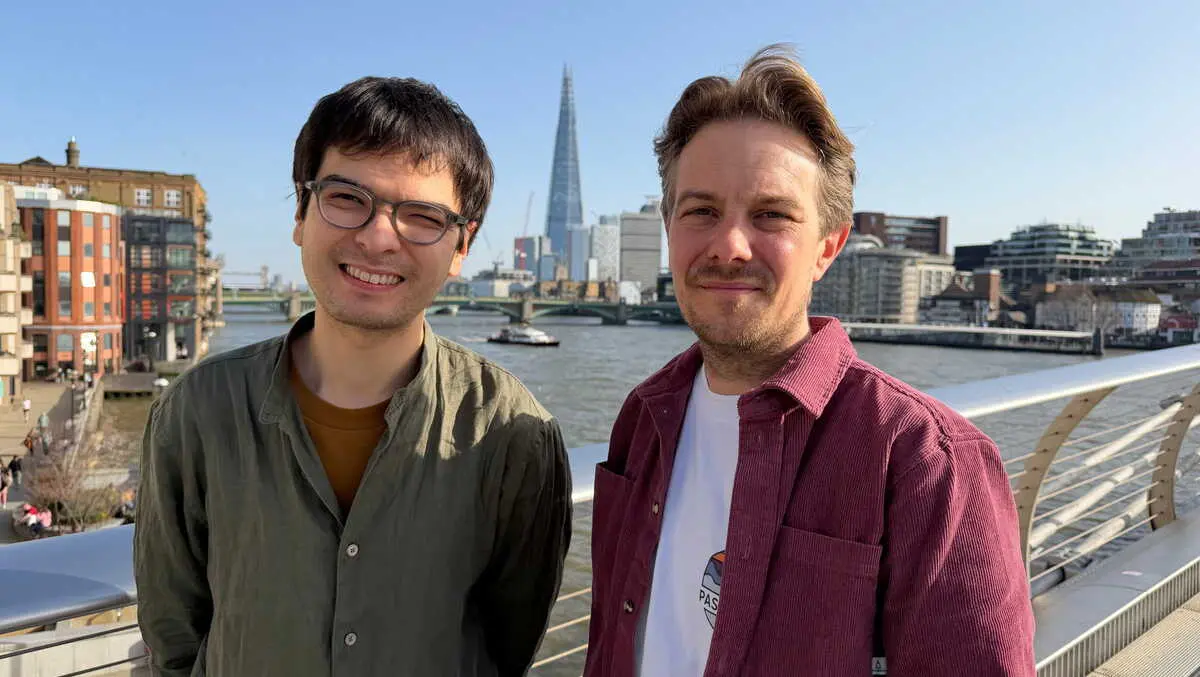
Co-founder and Chief Executive Dr Chris Tame said the challenge is to make molecular glue discovery more predictable.
"Molecular glues have delivered some of the most exciting breakthroughs in drug discovery over the past decade, but historically they've been discovered largely by chance rather than through a systematic process," Tame said.
"Our platform is designed to change that by combining physics-informed AI with rapid experimental validation to engineer these molecules intentionally and at scale. That allows us to approach drug discovery more like an engineering problem than a process of trial and error," he added.
Tame also mentioned how the funding will be useful to them.
"This investment enables us to expand the platform, grow our team and accelerate programmes towards the clinic, while building the foundations for long-term partnerships with pharmaceutical companies," Tame said.
Investor view
Daphni, the lead investor, has been expanding its presence in science-led investing. The firm recently launched Daphni Blue, a EUR €260 million fund focused on science-led deep technology companies.
"Designing molecular glues predictably is one of the hardest problems in drug discovery. Ternary has built a disciplined platform that integrates machine learning, physics and experimental biology to tackle that challenge," said Cristian Pinto, Investor at daphni.
UKI2S, one of the participating investors, linked the approach to recent advances in computing and AI applied to biology.
"Ternary's approach to drug design is enabled by its compute power. The combination of expanding knowledge of biology and recent developments in AI allows it to understand massive complexity, and the resulting molecular glue drug candidates target areas that have historically been considered out of reach. This is a world-class example of huge ambition with significant potential for patient benefit that UKI2S is delighted to back," said Oliver Sexton, Investment Director, UKI2S, managed by Future Planet Capital.
As AI-driven discovery methods draw growing investor interest, molecular glue design has become more prominent because it addresses targets that have resisted conventional chemistry. Ternary plans to grow its team and move its lead programmes through preclinical work while developing further collaborations with larger drugmakers.