

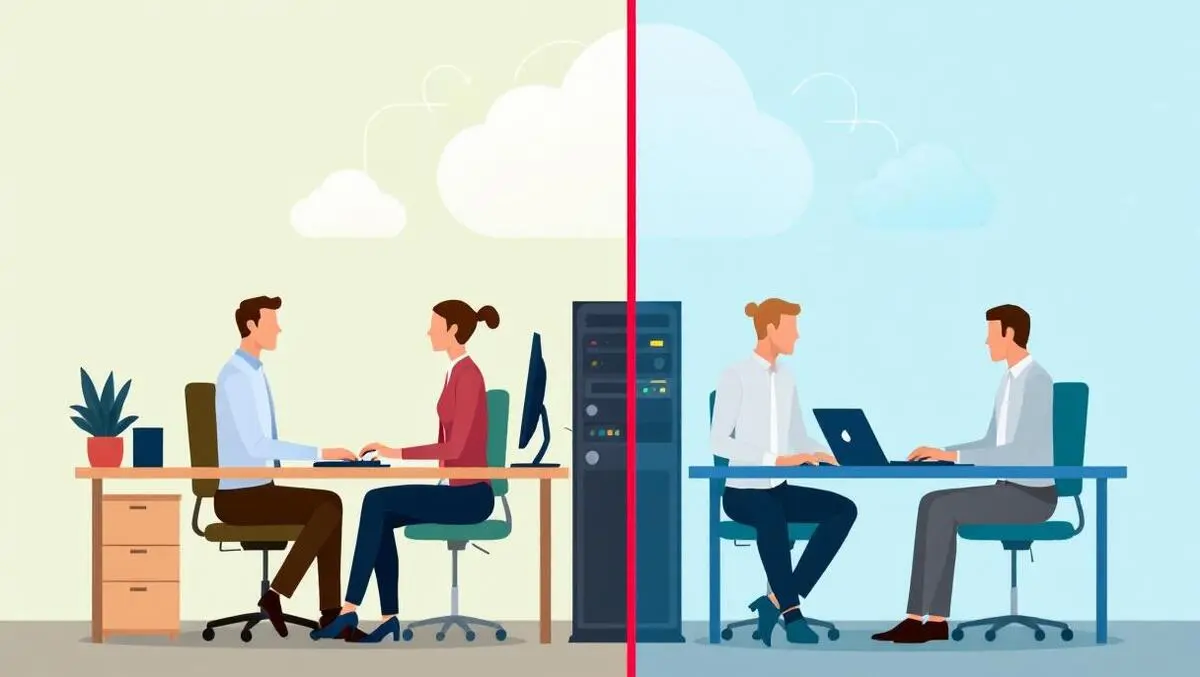
Small UK accounting firms split between cloud & in-house IT
Thu, 24th Jul 2025
Cloud2Me has released survey findings that detail technology adoption and IT practices among small accounting firms, capturing the current state of digital transformation across the sector.
Survey demographics
According to the survey, which canvassed 214 accounting professionals primarily from firms with 10 or fewer employees, significant segments of small practices remain attached to traditional technology setups. The results highlight the ongoing reliance on in-house servers and reveal varied approaches to IT support and software preferences within the industry.
Persistence of office-based servers
Despite widespread shifts towards digital platforms, just over one-third of those surveyed continue to manage core data and applications using on-site servers. The rationale commonly cited for maintaining this model includes a preference for control and direct ownership of IT resources. However, cloud-based alternatives offer features that traditional setups often lack, including advanced automation, improved remote access, and greater system resilience.
Many smaller accounting firms still favour the familiarity of office-based servers, valuing control and ownership. But this traditional setup often falls short on flexibility, automation, and resilience - areas where cloud solutions increasingly outshine.
Adoption of cloud accounting platforms
Survey results indicate continued traction for cloud-based accounting platforms, with Xero and QuickBooks identified as the leading solutions among respondents. Legacy software such as Sage and TaxCalc also maintains a strong presence, particularly within smaller practices with limited resources or specific client requirements. This demonstrates a sector where cloud platforms are gaining ground but desktop packages continue to play a role in everyday operations.
IT support patterns
Nearly 20% of small practices still rely on non-specialist IT service providers for managing their systems. Firms using general IT support rather than seeking expertise tailored to accounting workflows may experience limitations in optimising cloud deployments and in dealing with niche software challenges.
Some firms still rely on general IT support, but accounting systems often benefit from specialist knowledge. Support teams familiar with accounting workflows can resolve issues more efficiently and offer more relevant guidance.
Cloud2Me notes that relying on generalist providers may increase complexity during migrations and potentially delay the resolution of software-specific issues, thus impacting operational performance.
Drivers and barriers to cloud migration
Surveyed accountants cited remote working capabilities as a primary driver for cloud adoption, reflecting interest in flexibility and work-life balance. Approximately 25% of respondents stated that remote access is the most important reason for embracing cloud solutions. Another key motivator is improved data security, with 20% of participants pointing to security enhancements as central to their migration strategies. More broadly, 87% of those surveyed indicated that cloud solutions are important or extremely important to their daily operations.
Despite these trends, several barriers are slowing progress. Time and resource constraints remain the most frequently mentioned obstacles, particularly for practices with small teams. Many firms also reference a lack of internal expertise needed for complex IT upgrades, while cost uncertainties - such as ongoing subscription models and one-off migration expenses - continue to impede decision-making. A portion of respondents report a preference for traditional systems, with some unconvinced by the benefits promised by cloud platforms.
Industry context and outlook
The findings from Cloud2Me's survey illustrate sector-wide patterns as accounting firms consider investments in modern IT infrastructure. With a sizable proportion still running on-site servers and leveraging a mixture of legacy and cloud software, small practices face decisions about the most suitable technology paths. The prevalence of non-specialist IT support further underscores a need for tailored services that address specific operational requirements.
Cloud2Me is inviting partners and industry figures to evaluate the survey data in depth and discuss approaches to developing IT and cloud solutions which address the challenges highlighted in the research.